
Notes on titanium, from the people who specify it
Material comparisons, finishing methods, sourcing checklists and care guidance — written for buyers, product managers and brand owners who need to make a decision, not a mood board.
All articles
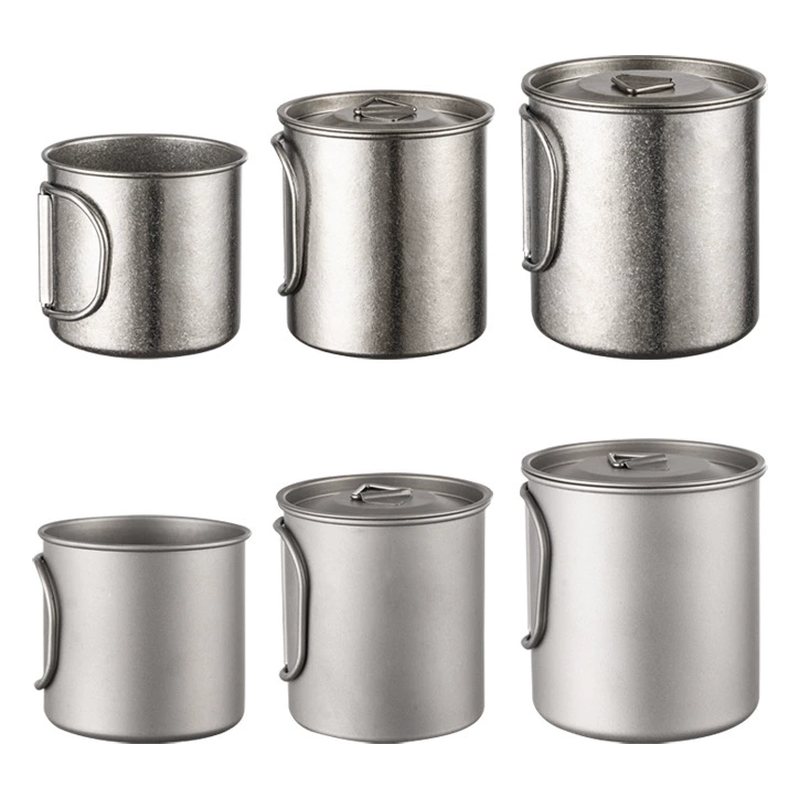
Titanium vs Stainless Steel: What Actually Differs in a Kitchen
Titanium is about 43% lighter than stainless steel for the same volume, costs more, and will not heat on induction. How to choose between the two.
Read article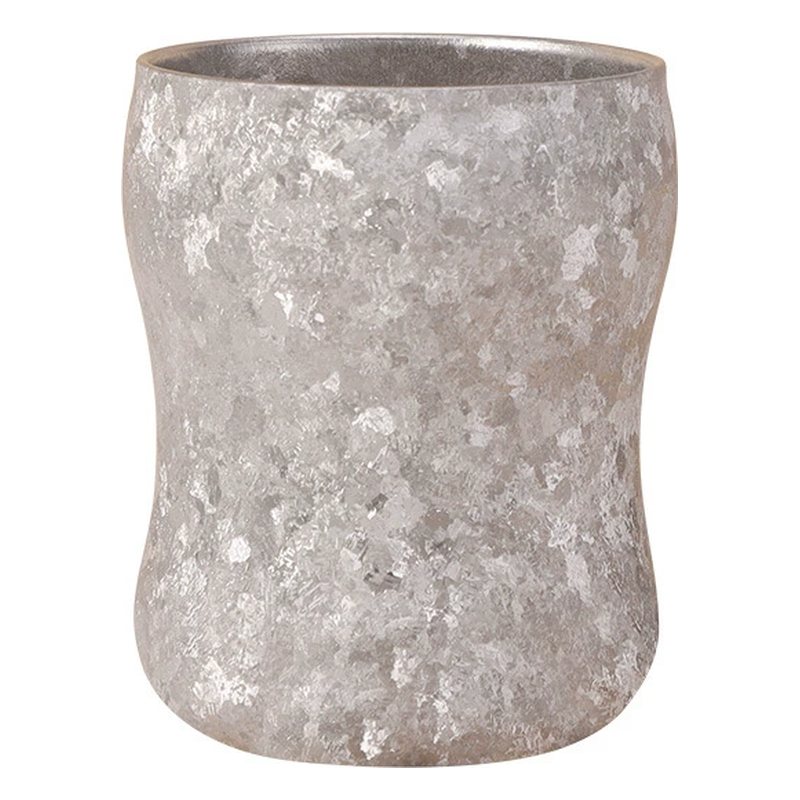
How Titanium Takes Colour Without Dye, Ink or Paint
Anodised titanium colour comes from a transparent oxide film, not pigment. What that means for specifying, inspecting and caring for the finish.
Read article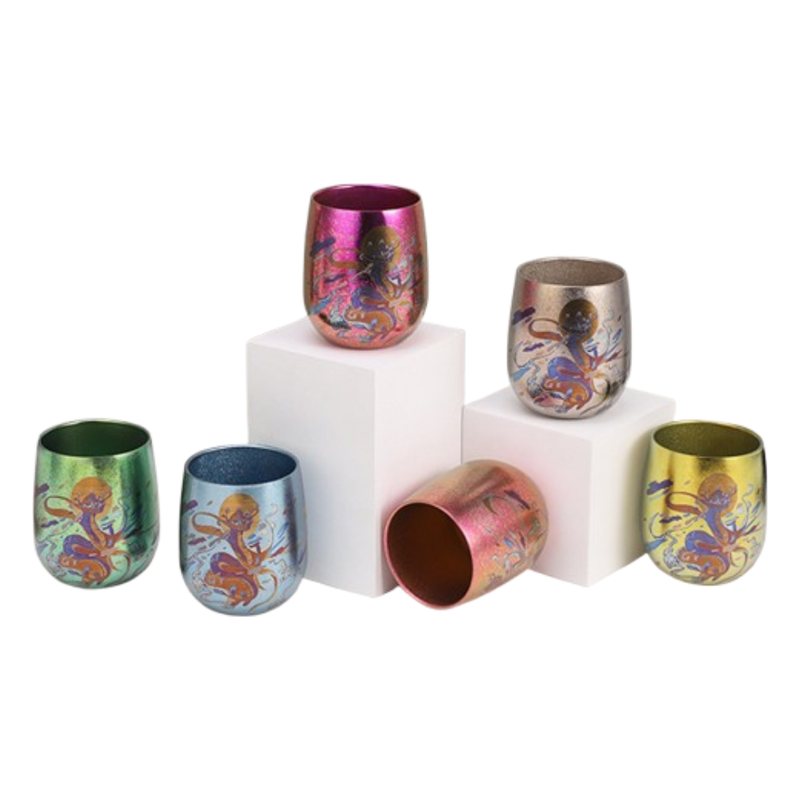
Specifying Private Label Titanium Drinkware: A Buyer's Checklist
Nine decisions that decide whether a private label order arrives as specified — wall thickness, logo method, packaging and the golden sample.
Read article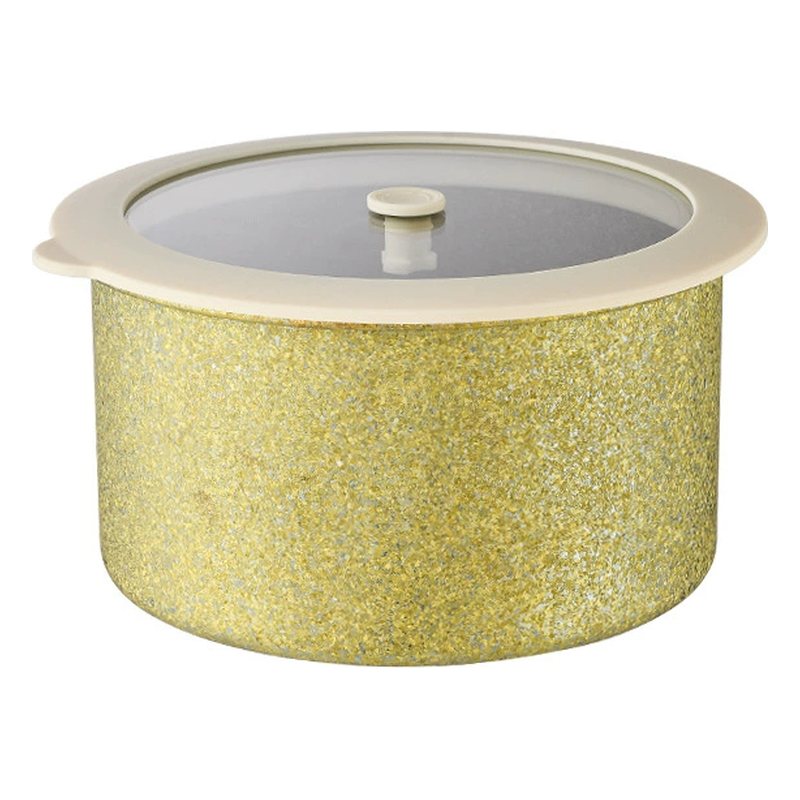
Caring for Titanium: What Helps, What Harms, and What Does Nothing
Titanium is forgiving, but not indestructible. A practical guide to washing, heating and storing it — and the three habits that cause the damage.
Read article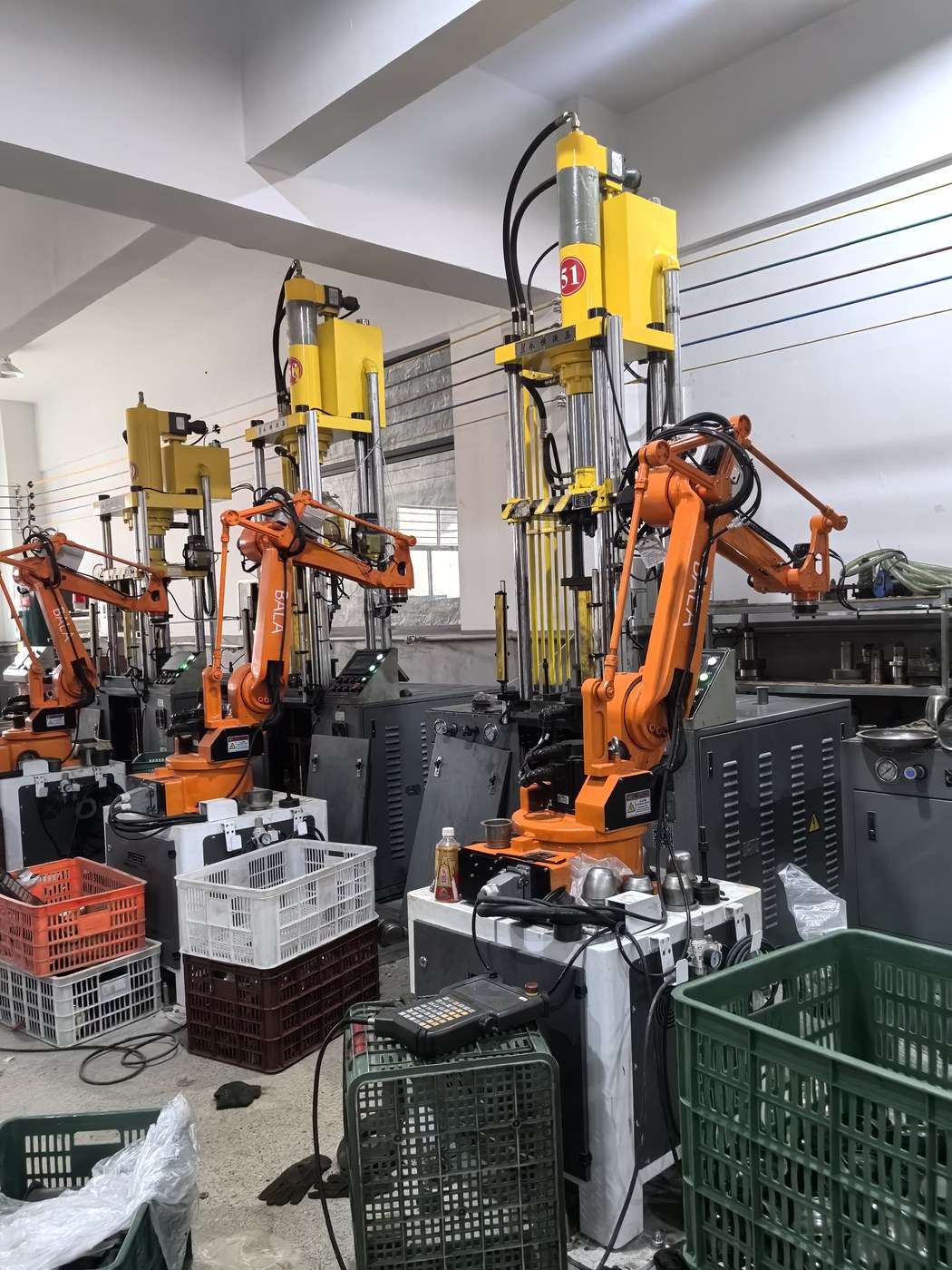
Inside the Yongkang Titanium Supply Chain
How a titanium order moves through the Yongkang hardware cluster — twelve steps from sheet to carton, and where quality is won or lost.
Read article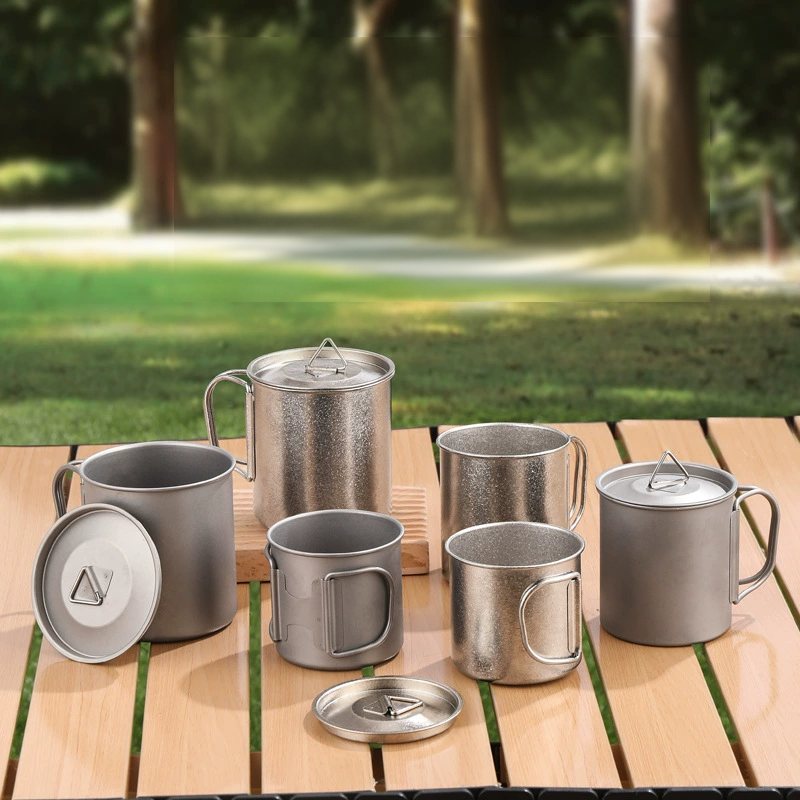
Titanium Cookware for Camping: A Buyer's Guide
A 750 ml pot and a 1.5 L pot look alike in a catalogue photo and behave nothing alike on a stove. What to settle before you order.
Read articlePractical, checkable, and free of invented numbers
Each article is written by the Tivarol team in Yongkang and reviewed against the material certificates and inspection records we hold for the products we ship. Where a figure depends on a specific SKU — wall thickness, capacity, coating — we say so and point you to the specification sheet rather than publishing a number we cannot stand behind.
Have a specification to discuss?
Send the reference, the quantity and the destination market. We will reply with the closest existing SKU, the tooling position if a change is needed, and a written production schedule.