Titanium Cookware for Camping: A Buyer's Guide
A 750 ml pot and a 1.5 L pot look alike in a catalogue photo and behave nothing alike on a stove. What to settle before you order.
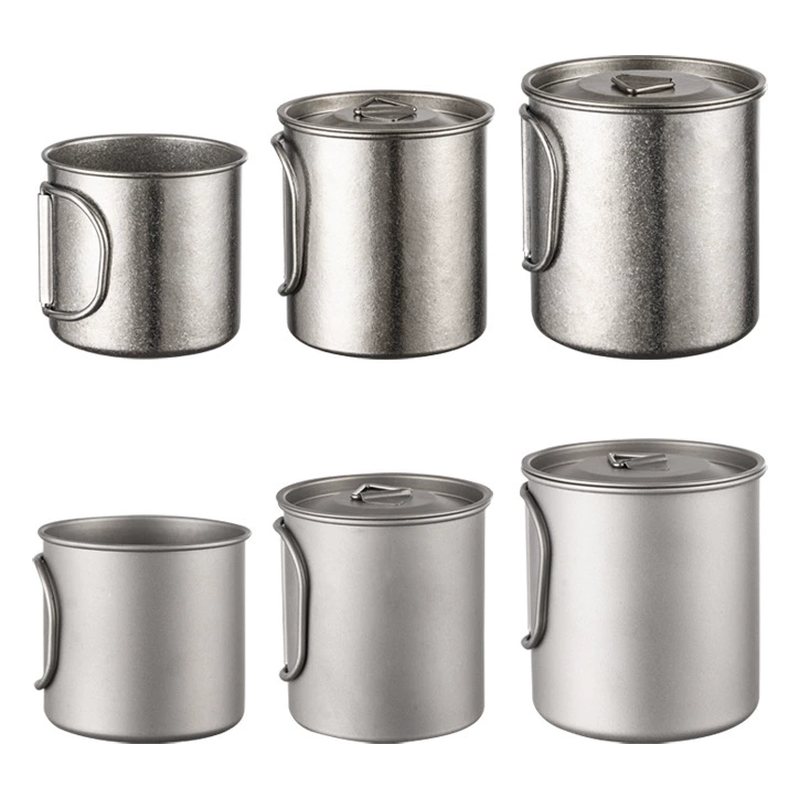
Capacity comes first, and it is decided by headcount
The most common specification error in outdoor cookware is a pot that is too small for the meals it is meant to cook. Rice, pasta and rehydrated food all need room to move, and a pot filled to the brim boils over on the first gust of wind.
A workable starting point for a pot that is used for one meal at a time:
| Group size | Pot capacity | Typical configuration |
|---|---|---|
| 1 person | 600–750 ml | Single pot, lid doubles as a cup |
| 2 people | 1.0–1.3 L | Pot with lid, nested mug |
| 3–4 people | 1.6–2.0 L | Pot plus a smaller pot or pan lid |
| 4+ or base camp | 2.5 L and above | Two vessels, one for water, one for food |
These are starting points, not rules. A dehydrated-meal camper needs less volume than someone cooking pasta for two, and a pot used mainly for boiling water can sit at the small end of the range.
Wall thickness is a trade, not an upgrade
Thin walls make a pot light, and lightness is the entire reason titanium is on the packing list. The same thin walls make the base quick to develop a hot spot and easy to deform if the pot is dropped or heated empty.
There is no universally correct thickness. What matters is that the specification is written down and that the buyer understands what was traded away:
- Thinner wall — lower weight, faster boil for the same flame, more care needed in use.
- Thicker wall — more forgiving on uneven heat, better resistance to dents, heavier in the pack.
Ask for the weight of the finished pot in grams rather than the sheet thickness alone. Weight is what the customer feels, and it is the number that appears in the product listing.
Lids, handles and bail wires
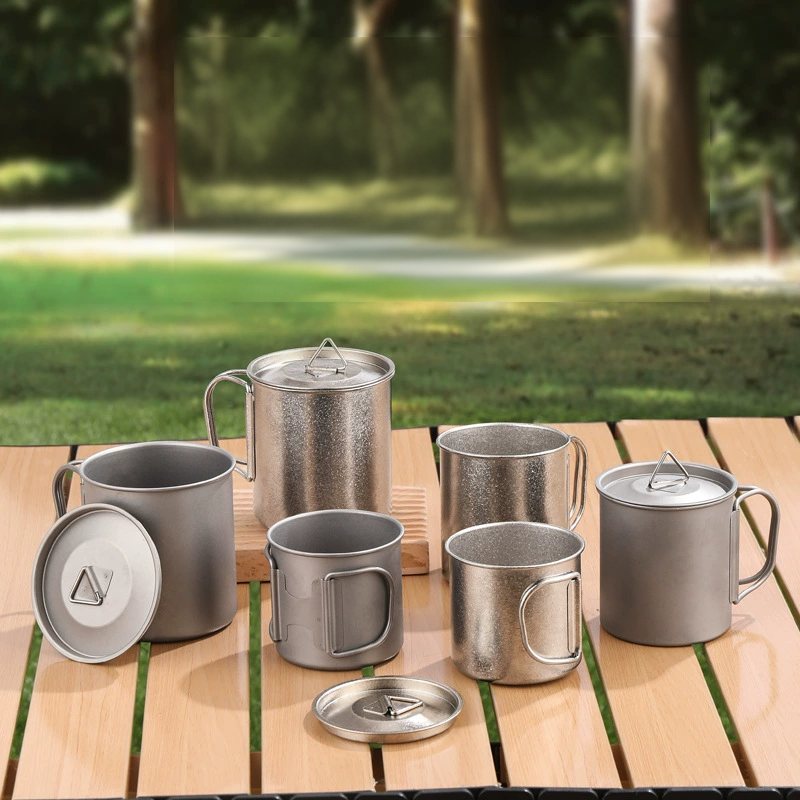
A lid is not an accessory. It shortens boiling time noticeably and keeps grit out of the food, and a lid that doubles as a shallow pan adds a second cooking surface for very little weight.
Handles come in three arrangements, each with a failure mode:
- Folding side handles are comfortable but the rivets or spot welds are a stress point.
- A bail wire hangs the pot over a fire, which is useful, but it swings when the pot is full.
- A gripper or pot lifter keeps the vessel bare and light, and is easy to lose.
Check that the handle stays cool enough to hold with a cloth, that the fold does not trap food, and that the rivet heads on the inside of the pot are smooth.
Stove compatibility
Titanium works on gas, petrol and wood-burning stoves, and directly over a fire. It does not work on induction hobs, because induction needs a ferromagnetic base and titanium is not ferromagnetic. If your range is aimed at van life or boat galleys with induction, this rules titanium out for that SKU.
Titanium also spreads heat poorly compared with aluminium. On a small gas burner this shows up as a ring of scorched food in the centre of the base. A wider base and a lower flame fix most of it, and it is worth saying so in the instructions rather than letting the customer discover it.
Nesting and packability
A nested set sells better than the sum of its parts, and it is also harder to engineer. Two pots of the same family should stack with the lid on the lower one, and a mug or bottle should sit inside without rattling.
Ask for the packed dimensions and the packed weight, not just the capacity. Retail listings increasingly quote volume per pack, and a set that does not nest as promised generates returns that no margin survives.
Finishes in the field
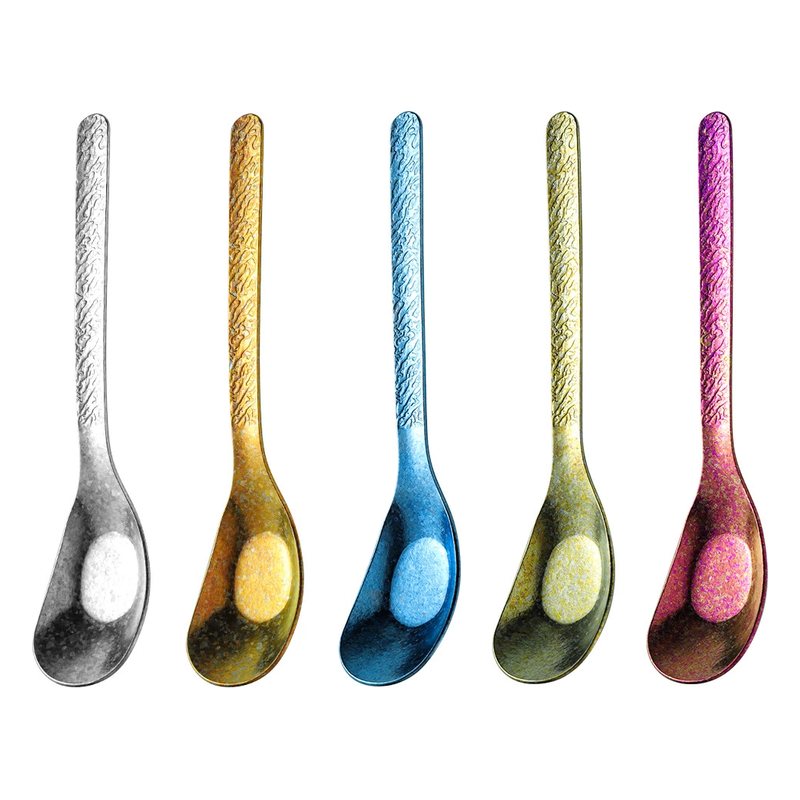
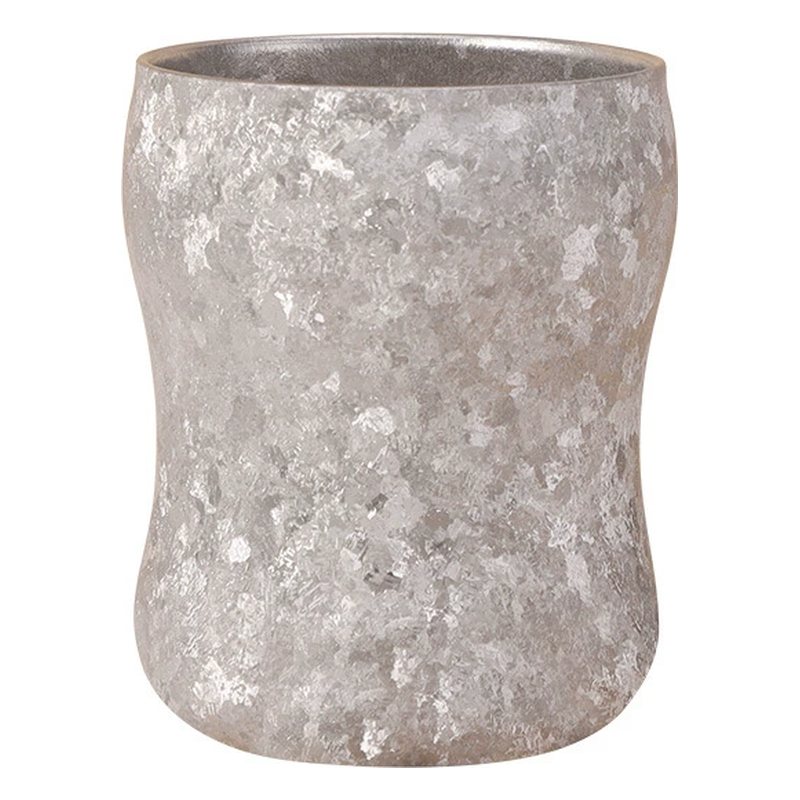
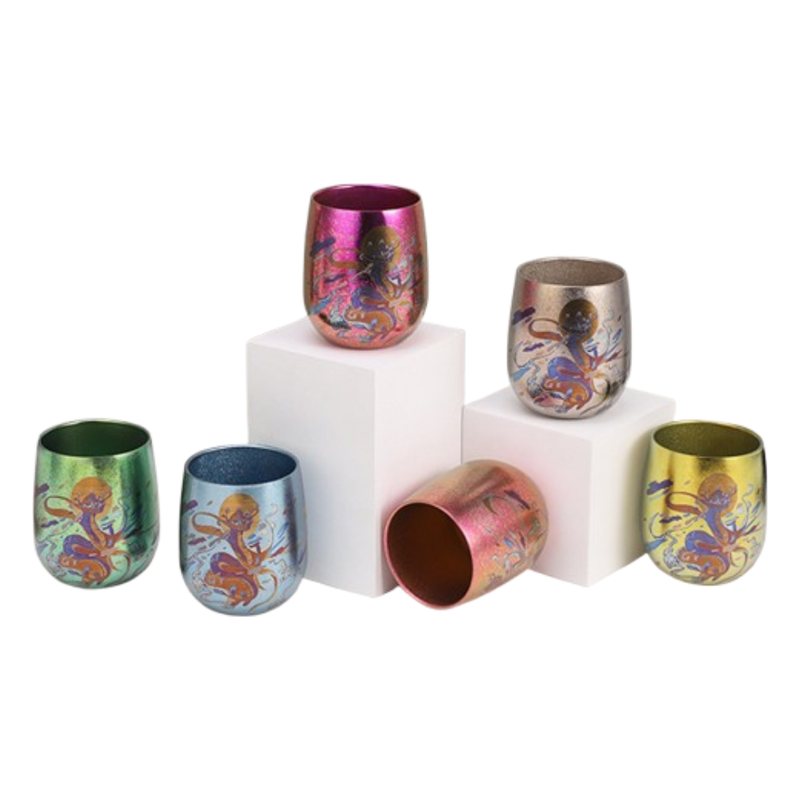
Plain polished titanium shows scratches and heat tint, and most buyers accept both as character. Sandblasted or brushed surfaces hide wear better and grip better when wet. Anodised colour photographs well and sells at a premium, but the oxide film is thin and will dull where a pot rubs against a stove or a rock.
For a rental or expedition range, plain is the pragmatic choice. For a gift or retail range, colour is the reason the product exists.
What to inspect when the carton arrives
- Base flatness on a known flat surface — a rocking pot is a manufacturing defect, not a design feature.
- Lid fit, with the pot empty and with two litres of water in it.
- Handle rivets, inside and out, for sharp edges and looseness.
- Weight of a sample against the specification.
- Wall thickness at four points around each vessel.
- Nesting, packed exactly as the retail carton will be shipped.
Frequently asked questions
Is titanium cookware safe for drinking water and food?
Yes. Commercially pure titanium is chemically inert in food contact and is used in food processing equipment and medical implants. It does not require a coating and does not release metal ions at cooking temperatures.
Why does food stick to my titanium pot?
Titanium has no non-stick coating and no porous surface to season, so food sticks where the base is hottest. Lower the flame, use a wider burner setting relative to the base, and keep some fat or liquid in the pan.
Can titanium pots go straight on a campfire?
Yes, titanium withstands direct flame. Keep the flame below the rim so the handles and lid stay usable, and avoid cooling a hot pot in cold water, which can warp a thin base.
Tivarol Editorial
Written in Yongkang, Zhejiang. Tivarol supplies pure titanium tableware and outdoor cookware to retailers, hospitality groups and brands, with OEM and private label production. Figures quoted in this article are general material properties — for a specific item, ask for the specification sheet and test reports.