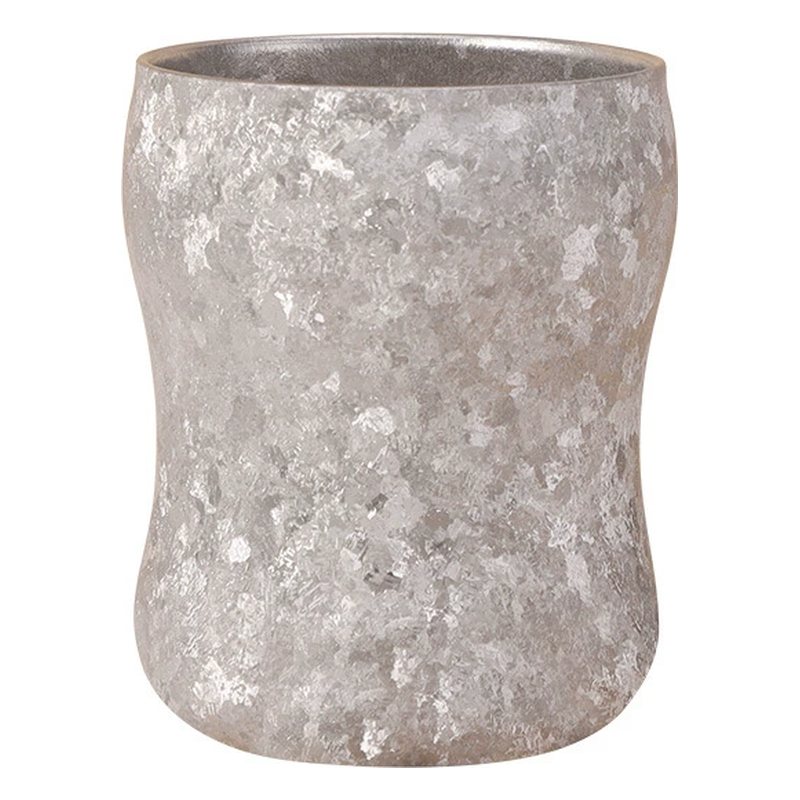
Inside the Yongkang Titanium Supply Chain
How a titanium order moves through the Yongkang hardware cluster — twelve steps from sheet to carton, and where quality is won or lost.
Why this cluster exists
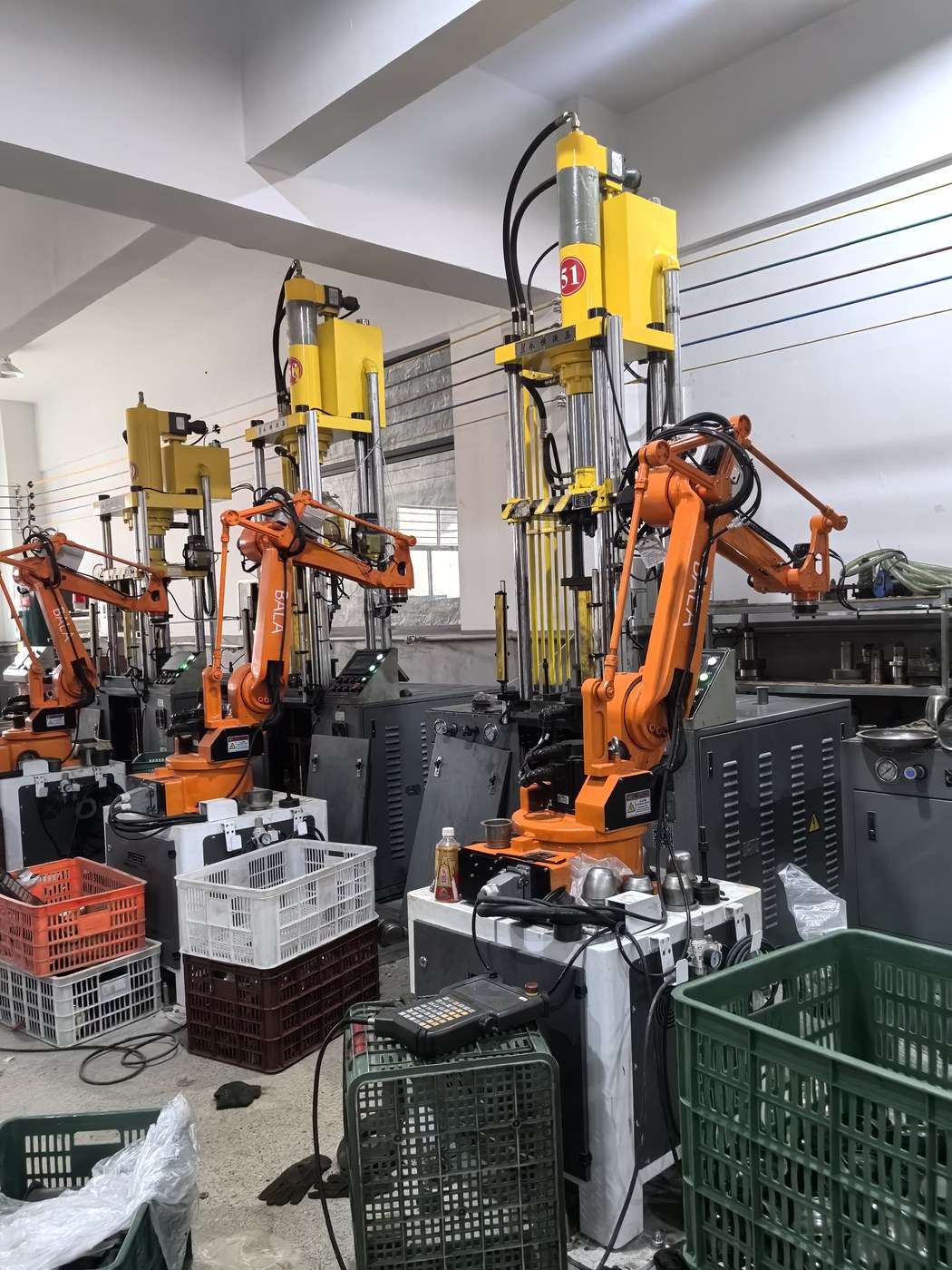
Yongkang, a county-level city in Zhejiang province, is widely described as China's hardware capital. Within a short drive you can find sheet metal suppliers, stamping and deep-drawing shops, polishing workshops, anodising lines, printing houses and export forwarders. That density is the reason a titanium drinkware programme can go from drawing to container in a few months rather than a year.
It also creates the main risk for buyers. Because every step exists as a separate small business, a "factory" that shows you a catalogue may be assembling parts from six workshops it does not control. Knowing the sequence makes it easier to ask who does which step; the private label checklist covers the specification side.
The sequence of a purchase order
- Enquiry and reference. The buyer sends a sample, drawing or target specification: capacity, weight, finish, logo, packing.
- Quotation and tooling review. The supplier confirms whether an existing mould can be used, and quotes tooling separately if a new shape is needed.
- Sampling. A pre-production sample is made and shipped for approval, usually with the logo and finish applied.
- Order confirmation and deposit. Production is scheduled from the deposit date, not the enquiry date.
- Material. Titanium sheet is ordered to the agreed grade and thickness, with a mill certificate.
- Blanking and forming. Circles are cut from sheet and deep-drawn or pressed into shape, then trimmed.
- Welding and assembly. Handles, rims, spouts and bases are joined; welds are dressed back.
- Polishing or brushing. The surface is prepared. This stage decides how the anodised colour will look.
- Finishing. Anodising, sandblasting, laser engraving or printing, in that order of typical sequence.
- Assembly and packing. Lids, infusers, gift boxes and cartons.
- Inspection. Inline checks plus a final inspection against the approved sample.
- Shipping. Trucking to Ningbo or Shanghai, then ocean freight — see how we pack drinkware for export.
Each handover between workshops is a place where a specification can quietly change, and where a written standard earns its keep.
Where quality is decided
Material grade
Commercially pure titanium for food contact is normally grade 1 or grade 2. A mill certificate should state the grade and the heat number. If the certificate is missing or describes "titanium alloy" without a grade, the metal may still be titanium — but you have no evidence of which one.
Wall thickness
Thickness is the buyer's main lever on weight and cost, and it is the first thing to check with a micrometer on arrival, at several points around the vessel. A wall that tapers towards the rim is normal in deep drawing; a wall below the agreed minimum is not.
Weld quality
Look at the inside of the seam under good light. A sound weld is continuous and dressed smooth. A porous or undercut weld will show up as a leak, a stain or a sharp edge, and it will show up after the carton has travelled 8,000 km.
Surface preparation before anodising
Colour consistency across a batch comes from consistent polishing, not from the anodising bath alone. If two parts enter the bath with different surface roughness, they leave with different colours, and no amount of voltage adjustment fixes it afterwards.
Final inspection
Ask for the inspection report with the sample size and the defects recorded, not just a pass stamp. A report that shows zero defects across a large sample is less informative than one that shows which characteristic was checked and how.
Freight and terms
Most export quotations from this region are FOB Ningbo or FOB Shanghai: the supplier delivers to the port and clears export, the buyer books the ocean leg. CIF quotes add freight and insurance to the destination port. EXW leaves everything to the buyer and is rarely the cheapest option once forwarder charges are counted.
For a first order, a pre-shipment inspection by a third party costs little relative to the risk, particularly when the products carry a brand name on the box.
Questions worth asking any supplier
- Which grade of titanium, and can I see a mill certificate for this order?
- Which steps are done in your own workshop, and which are subcontracted?
- What wall thickness will you hold, and what is the tolerance?
- Who anodises the parts, and how is colour checked between batches?
- Can you send process photos or a short video at each stage?
A supplier that answers these with specifics, and is willing to show the workshop floor, is a different proposition from one that answers with a catalogue.
Frequently asked questions
How long does a first titanium order take from Yongkang?
The schedule depends on tooling. A run on an existing mould typically moves through material, forming, finishing and packing in weeks rather than months; a new drawn shape adds tooling time and a sampling round before production starts. Ask for the lead time measured from deposit, and for the tooling time separately.
Should I buy through a trading company or directly from a workshop?
A trading company usually offers a wider range and handles coordination across several workshops; a specialist workshop gives more control over a single process. What matters either way is knowing which steps are subcontracted and who is accountable for the final inspection.
Do I need a third-party inspection for a small order?
It is optional, but the cost is small relative to the risk of a branded carton arriving with the wrong colour or a leaking seam. If you skip it, at least require the factory's own inspection report with the sample size stated.
Tivarol Editorial
Written in Yongkang, Zhejiang. Tivarol supplies pure titanium tableware and outdoor cookware to retailers, hospitality groups and brands, with OEM and private label production. Figures quoted in this article are general material properties — for a specific item, ask for the specification sheet and test reports.